CEA CAPA Alumni
Welcome back, CEA CAPA alumni! Thank you for studying abroad with us. We hope you’ve returned with an enhanced résumé, new friendships, unforgettable memories, and most importantly, a broader view of the world.
The best part about being an alumnus? The opportunity to help and support other students go on their own great adventure abroad!
You can also explore re-entry resources and opportunities to connect with our alumni network as you transition back into home life and learn how to reap more benefits from your experience going forward.
There is nothing like returning to a place that remains unchanged to find the ways in which you yourself have altered.
CEA CAPA Alumni Ambassador Program
Share Your Experience With Students on Campus
Your study abroad journey doesn’t have to end when your program does. Leverage your experience and enthusiasm for study abroad as a CEA CAPA Alumni Ambassador! Our program gives you the chance to inspire others to embark on their own study abroad adventure.
Our goal is also to help you answer the “what now?” question. We help you better articulate your growth, clarify your career aspirations, and consider your next steps after graduation.
We designed this program around a student schedule: it is flexible and customizable based on your availability, interests, and goals. Make the position your own by developing an outreach plan that best fits your campus and interests!
Become an Alumni AmbassadorWhat it's Like Being an Ambassador
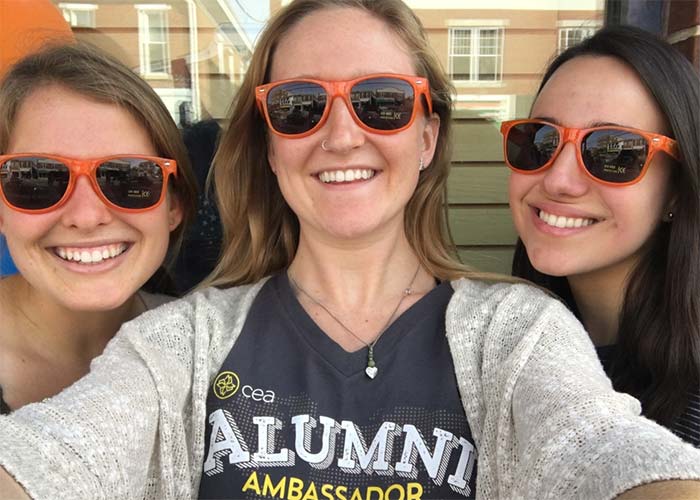
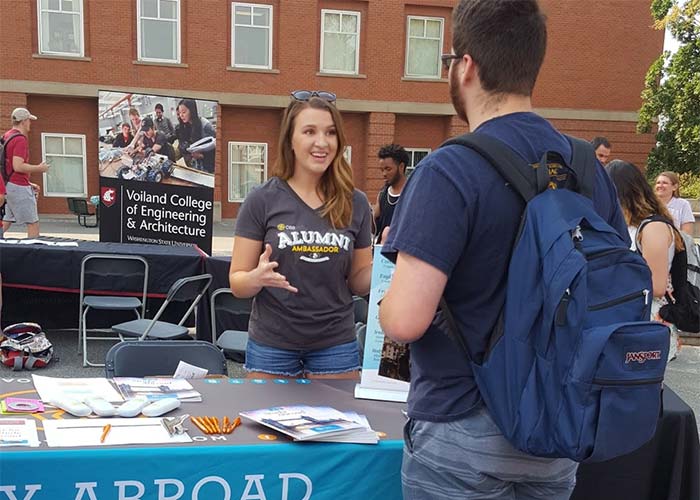
As a CEA CAPA Alumni Ambassador, you create study abroad awareness in person and via social media, while supporting students through the pre-departure process. You commit for at least one semester, and can continue as long as you’d like!
All outreach must follow guidelines established by your home campus and study abroad office.
Outreach may include:
- Supporting the study abroad office
- Presenting to student groups
- Assisting CEA CAPA representatives during their visit to your campus
- Create a video or blog for CEA CAPA social media
- Share your experience on social media
- Answer student questions through the Ambassador Directory
Program Benefits
CEA CAPA’s Alumni Ambassador program gives you the following perks:
- $300 payment upon completion of the program + additional rewards!
- Ambassador Go-Again Discount* (Double the alumni rate!)
- Letter of recommendation
- Academic credit (if approved at home institution)
- MIIS Graduate School Scholarship for all former and current ambassadors
- Career-advising workshops and support
- Leadership opportunities and professional development
- Onsite Ambassadorship Program (limited locations available)
- Student leadership and professional development opportunity for our high-performing Ambassadors to be selected to return to where they studied abroad, support program operations, and help facilitate the study abroad experience for onsite students.
Qualifications
- Enthusiastic CEA CAPA alumni who want to support prospective study abroad students
- Hold a minimum of 2.5 GPA (lower averages considered on case-by-case basis)
- Financially cleared with CEA CAPA
Contact the CEA CAPA Student Engagement Team for more information: alumni@ceastudyabroad.com
Become an Alumni AmbassadorWhat to Do Once You’re Home Again
Log into your Student Portal Account for:
- Additional Resources
- Transcript/Syllabi Requests: transcripts@ceacapa.com
- Security Deposits/Finance: FinancialServices@ceacapa.com
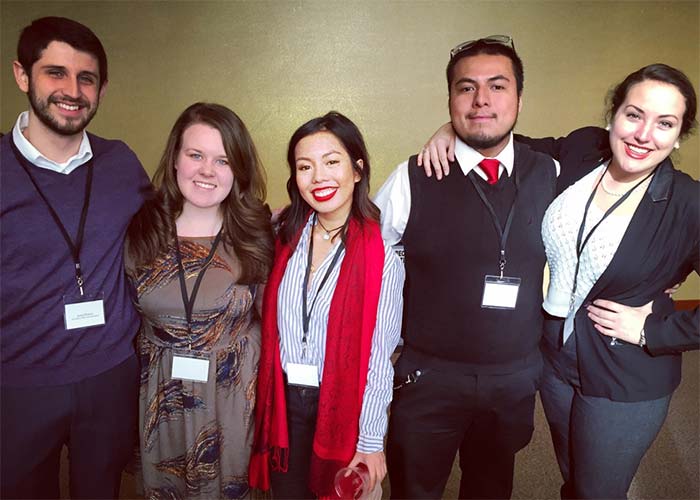
Feeling a bit of reverse culture shock? Don’t worry, it’s completely normal. For many students, this can be more difficult than culture shock experienced overseas.
Here are some ways to facilitate your re-entry process:
- Check out real-life advice from other CEA CAPA Alumni
- Join our Alumni Ambassador Program and encourage other students to study abroad
- Go Abroad Again with an Alumni Discount
- If you spoke another language abroad, find a conversation group, seek out local speakers to practice with, or tutor other students to keep your language skills sharp
- Keep in touch with other alumni from your program, as well as other alumni from your study abroad site. Join the CEA CAPA Alumni LinkedIn Group!
- Email us your story or promotional idea
- Review your program on Go Abroad, Go Overseas, and Study Abroad
Become an Alumni Ambassador
Your study abroad journey does not end when your program does. Leverage your experience and enthusiasm for study abroad as a CEA Alumni Ambassador!
Join The Program
Speak with an
Admissions Advisor
Schedule an appointment to speak with a study abroad expert.
Book Appointment